Ha Giang Photo · Reference Guide
This five-day route is built around photography rather than adding camera stops to a standard riding loop. The itinerary, route map, and day-by-day locations remain below; this guide explains the photographic decisions, access boundaries, and format fit before you request a quote.
What makes this a photography expedition
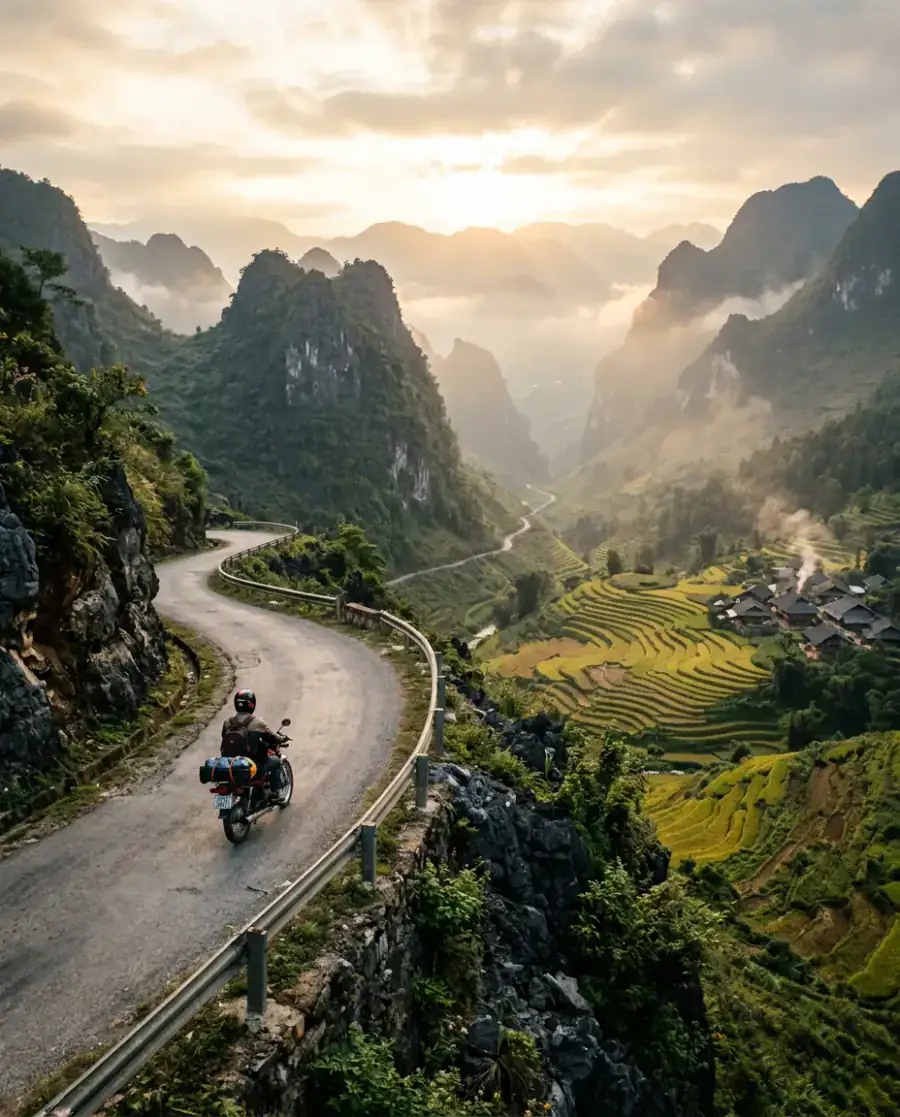
The route follows light, market calendars, village access, and weather as carefully as it follows the road. It combines limestone passes, ethnic markets, village mornings, environmental frames, and golden-hour mountain roads, with a local guide and translator coordinating timing and communication. The group profile includes phone, mirrorless, DSLR, and film photographers — from beginner camera users to advanced photographers — provided they can handle basic camera operation and fast-changing conditions.
Photography ethics
The priority is respectful documentary work, not a checklist of faces or homes. Market access, roadside shooting, drone use, and portrait opportunities depend on guide judgment, current weather, traffic, local consent, and police or community rules. Paid model or staged-shoot fees are not included unless agreed in advance.
Portrait consent and village access
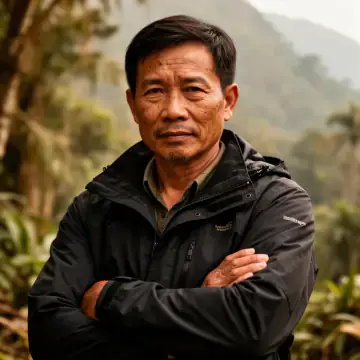
Portrait work is arranged through the guide and translator and is never forced. Village access can change with local boundaries, host availability, weather, and road conditions. When a person, home, market, or process is not available for photography, the route moves on; the experience does not treat people as props.
Market timing
Market photography follows the weekly calendar and the selected route. The final morning uses a real highland market when the calendar aligns; otherwise, the guide substitutes a village morning or final pass shoot. This keeps the itinerary honest instead of promising a market on every departure.
Golden-hour planning
Day 1 may include a short first-light or late-afternoon scout near Ha Giang City when light allows. Early departures target morning atmosphere around Bac Sum Pass and Quan Ba, while the Ma Pi Leng day can begin before sunrise when conditions are promising. Visibility, road safety, and the guide's current weather call decide the final stop sequence.
Equipment
Bring the camera or phone you already use, enough storage, spare batteries or a power bank, weather cover or a dry bag, a warm layer for sunrise passes, comfortable walking shoes, lens cloth and dust protection, personal medication, and small cash for markets. Camera equipment rental is not included; drone permits and drone liability are also excluded.
Weather and route changes
The published planning window is September–April, but weather and visibility still change the work. Fog, rain, traffic, road conditions, market timing, and river access can alter the shooting order or location. The guide may replace a viewpoint, market session, or river-access plan with a safer village morning or pass shoot.
Ha Giang Photo vs Ha Giang Expedition
The Ha Giang Expedition is a four-day hardcore motorbike route for intermediate+ manual riders focused on passes, riding concentration, and guide-led pace. The Photo Expedition is five days at Medium difficulty, with travel and shooting time, light walking, markets, village access, and consent as the central decisions. For route identity and the broader northern context, read the Ha Giang field guide.
Best season
September–April is the published planning window. Rice stages and market days vary by valley and year, so the route does not guarantee a fixed harvest scene or exact light. Use the Ha Giang rice harvest season guide and best time to ride Vietnam guide for broader seasonal context, then confirm the current route and conditions in your proposal.
What to bring
Pack for long travel days, early starts, roadside walking, stairs, viewpoints, markets, and changing weather. The product provides photo-focused route coordination, local guide / translator support, market and light-timing planning, transport support when quoted, and a village etiquette and consent briefing. For additional field context, read Ha Giang for Photographers.